A Lindy alternative that builds the applications your agents are missing
Assistant Cortex is a Lindy alternative where AI agents work the phone, the inbox and the sales pipeline — and when the tool an agent needs does not exist, the platform builds it as a new application and publishes it to your own marketplace. Lindy composes agents from its integration catalog. Assistant Cortex extends the catalog itself.
Describe the missing application in plain language, approve the build, and your agents can use it the same day.
Where Lindy is genuinely good
Lindy helped define the “AI employee” category, and it remains a strong product for everyday assistant work.
Agents from a prompt
Lindy’s Agent Builder turns plain-English instructions into working agents, with templates that get a non-technical team productive in minutes.
A deep integration catalog
Thousands of pre-built integrations cover the common SaaS stack, so inbox, calendar and meeting workflows connect quickly.
Phone calls included
Lindy offers AI phone calling in more than 30 languages, billed per minute — inbound and outbound calls are part of the product, not an afterthought.
The difference: a platform that extends itself
Every integration-based platform has an edge: the tool that isn’t in the catalog, the workflow that needs its own screens and its own data. On Lindy, that is where the road ends. On Assistant Cortex, that is where the Coding Sandbox starts.
No integration? Build the application.
- Full applications, not just workflows. The Coding Sandbox builds modules with their own screens, their own data and their own AI abilities from a written brief.
- Tested, then approved. Builds run on an isolated sandbox against the live platform and publish to your marketplace only when you sign off.
- Your agents inherit it. A new module’s abilities are immediately callable by your agents — and published as MCP tools.
- Or just install one. Phone, email, knowledge bases, image and audio generation and more install with a click.
Agents with a platform behind them
- Phone with receipts. AI phone agents on numbers you provision in-app, with recordings, speaker-separated transcripts and reasoning traces.
- Email as a mailbox, not a trigger. Agents read, classify and answer mail on schedules you control.
- Your choice of brains. More than 80 preconfigured AI models across 15 types, custom models included.
- Real governance. User groups and per-application ACL permissions decide which people and agents can touch what.
Assistant Cortex vs Lindy at a glance
Both platforms run AI agents that handle real work. The gap is in what happens when the work needs software that doesn’t exist yet.
| Capability | Assistant Cortex | Lindy |
|---|---|---|
| Prompt-to-app building | Yes — the Coding Sandbox builds full applications with their own screens and data, published to your marketplace | Builds agents and workflows from prompts, not full applications |
| AI phone agents | Yes — numbers provisioned in-app; recordings, speaker-separated transcripts and reasoning traces per call | Yes — AI phone calls in 30+ languages, billed per minute |
| AI email agents | Yes — mailboxes agents read, classify and answer on schedules you control | Yes — inbox and meeting automation is a core strength |
| Module marketplace | Yes — applications and AI abilities install with a click | Agent templates and thousands of integrations; no marketplace of installable applications |
| AI model choice | 80+ preconfigured models across 15 types; custom models supported | Hosted models selected within the service |
| Team governance | User groups and per-application ACL permissions shared across every module | Team workspaces; a per-application ACL layer is not documented |
| MCP support | MCP native — a built-in MCP client and server; abilities are published as MCP tools | Not documented |
Comparison reflects each product’s publicly documented features as of August 2026. All trademarks belong to their owners.
Hit the edge of the catalog? Describe the application.
A short written brief — the way you would hand a ticket to a developer — becomes a working module: screens, data and abilities. The Coding Sandbox builds it on an isolated sandbox, tests it against the live platform, and publishes it to your marketplace when you approve.
- Watch it happen. Every build is a project you can watch, stop, modify and re-run.
- Keep it governed. The new module runs under the same user groups and ACL permissions as everything else.
- Give it to your agents. Abilities the module ships become tools your agents call mid-conversation.
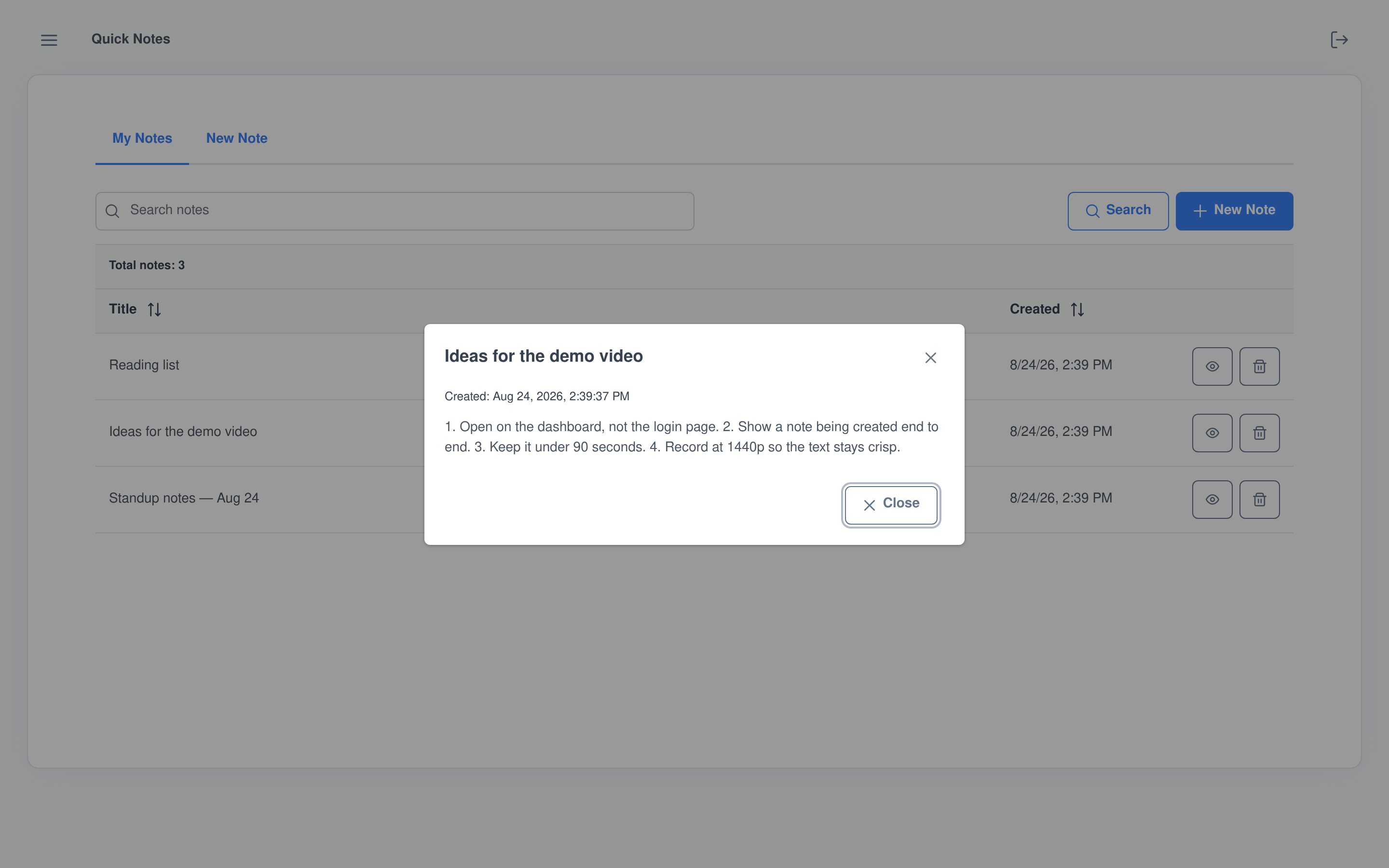
- Real examples. A notes app, a 3D Rubik’s cube solver, an interactive chat card and a telnet server — four modules from four short briefs.
Phone agents with receipts, not just calls
Both platforms can put an agent on the phone. Assistant Cortex treats the call as a governed business record: you provision the numbers inside the app, decide which agents answer them, and keep the full story of every conversation.
- Search and provision numbers by type, area code, state or city — without leaving the platform.
- Recording, transcript, trace. Each call keeps its audio, a speaker-separated transcript, and the agent’s turn-by-turn reasoning.
- Hand to a human. Transfer a live call to a person, then hand it back to the agent when they’re done.
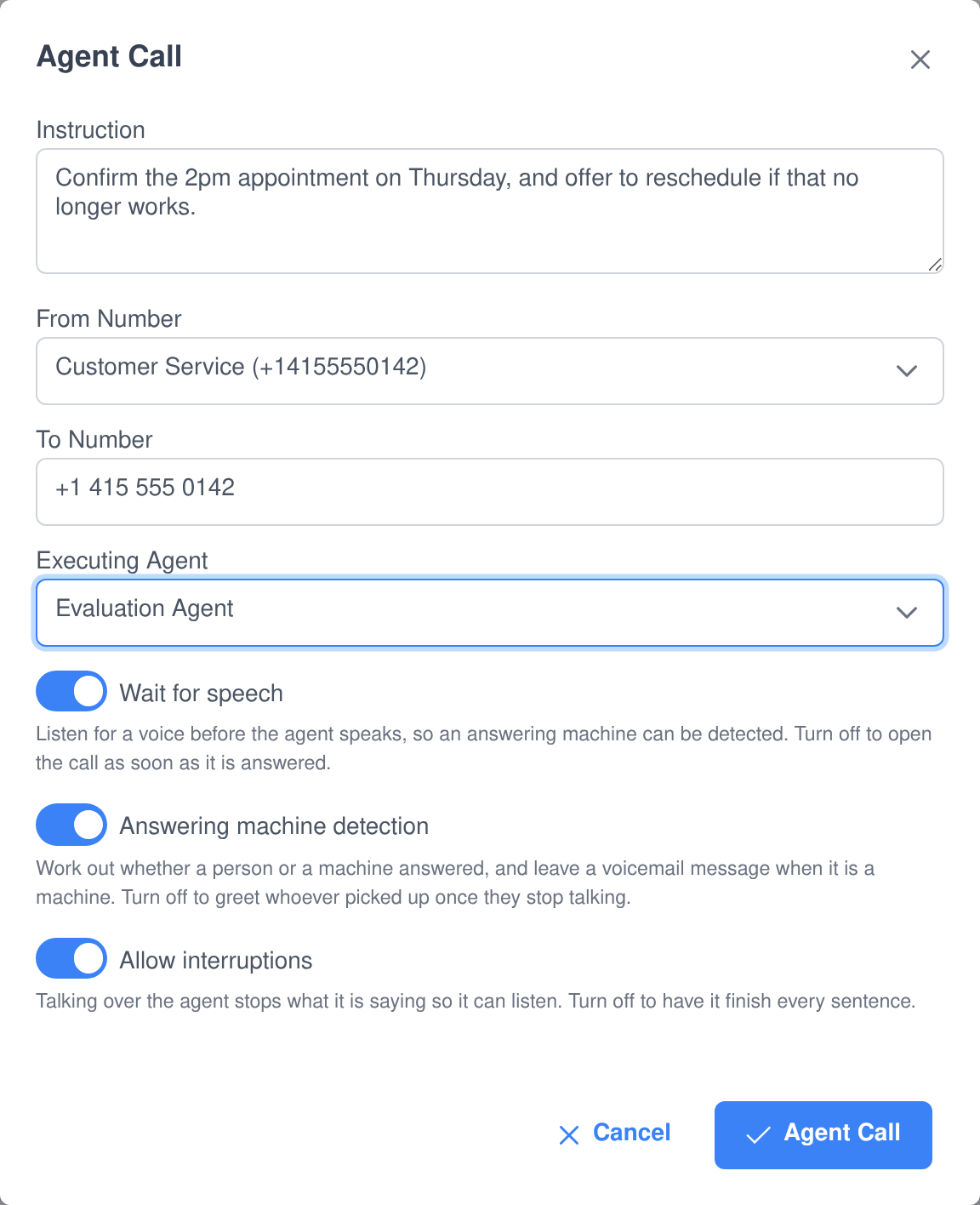
- Scheduled and outbound calls placed from an instruction, with the result reported back in chat.
Which should you choose?
Choose Lindy when…
- Your work lives in the mainstream SaaS stack its integrations already cover.
- You want personal-assistant automation — inbox, meetings, scheduling — running in minutes.
- You’ll never need an application of your own, just workflows between existing tools.
Choose Assistant Cortex when…
- Your business needs its own applications — with screens and data — not only workflows, and you want them built by prompt.
- Calls, mail and pipelines should leave auditable records: recordings, transcripts, reasoning traces.
- You want to choose the AI models behind every agent, including custom ones, under one permission system.
Frequently asked questions
Doesn’t Lindy also have AI phone agents?
Yes — Lindy offers AI phone calling, billed per minute. The difference is depth and ownership: Assistant Cortex lets you search and provision your own numbers inside the app, point each number at an agent, and keep a recording, a speaker-separated transcript and a reasoning trace for every call, with transfer to a human mid-call.
What can Assistant Cortex do that Lindy can’t?
Build software. When a workflow needs an application that doesn’t exist — its own screens, its own data, its own abilities — the Coding Sandbox builds it from a plain-language brief, tests it on an isolated sandbox, and publishes it to your marketplace when you approve. Lindy composes agents from existing integrations; it does not create new applications.
Can Assistant Cortex agents connect to my other tools?
Yes. Assistant Cortex is MCP native: the built-in MCP client connects outside tools to your agents, and the MCP server publishes your platform’s abilities to any MCP client — Claude, an IDE, or another system — with the same permissions your agents have.
Do I control which models my agents use?
Yes. More than 80 AI models across 15 types come preconfigured — language, image, audio, speech, embeddings and more — and custom models can be added. Each agent can be assigned its own model and settings.
How does Assistant Cortex compare to Base44 or Lovable?
Base44 and Lovable are AI app builders — strong at generating standalone apps, without an agent workforce around them. Assistant Cortex runs the agents and builds the apps on one platform. See the Base44 comparison and the Lovable comparison.
Give your agents a platform that grows
Start a trial, put an agent on the phone and in a mailbox, and build the first application your business is missing.